Silver Exchange: A Comprehensive Guide to Investing, Trading, and Managing Silver Online
Silver has occupied a unique niche in the world of precious metals for centuries. Valued for its industrial utility, aesthetic appeal, and role as a hedge against inflation, silver offers investors a blend of practicality and portfolio diversification. In today’s digital age, an increasing number of traders are turning to specialized platforms to access the Silver Exchange market. This article provides an in‑depth, professional overview of silver trading, the factors that drive its price, and how services such as Silverexch Online make participation straightforward, transparent, and secure.
1. Why Silver Remains a Compelling Investment
Unlike gold, which is primarily viewed as a store of wealth, silver serves dual purposes:
- Industrial Demand: From photovoltaic cells to medical equipment, silver’s superior conductivity and antibacterial properties create a steady demand curve.
- Store of Value: During periods of economic uncertainty, investors often allocate a portion of their portfolio to silver as an affordable alternative to gold.
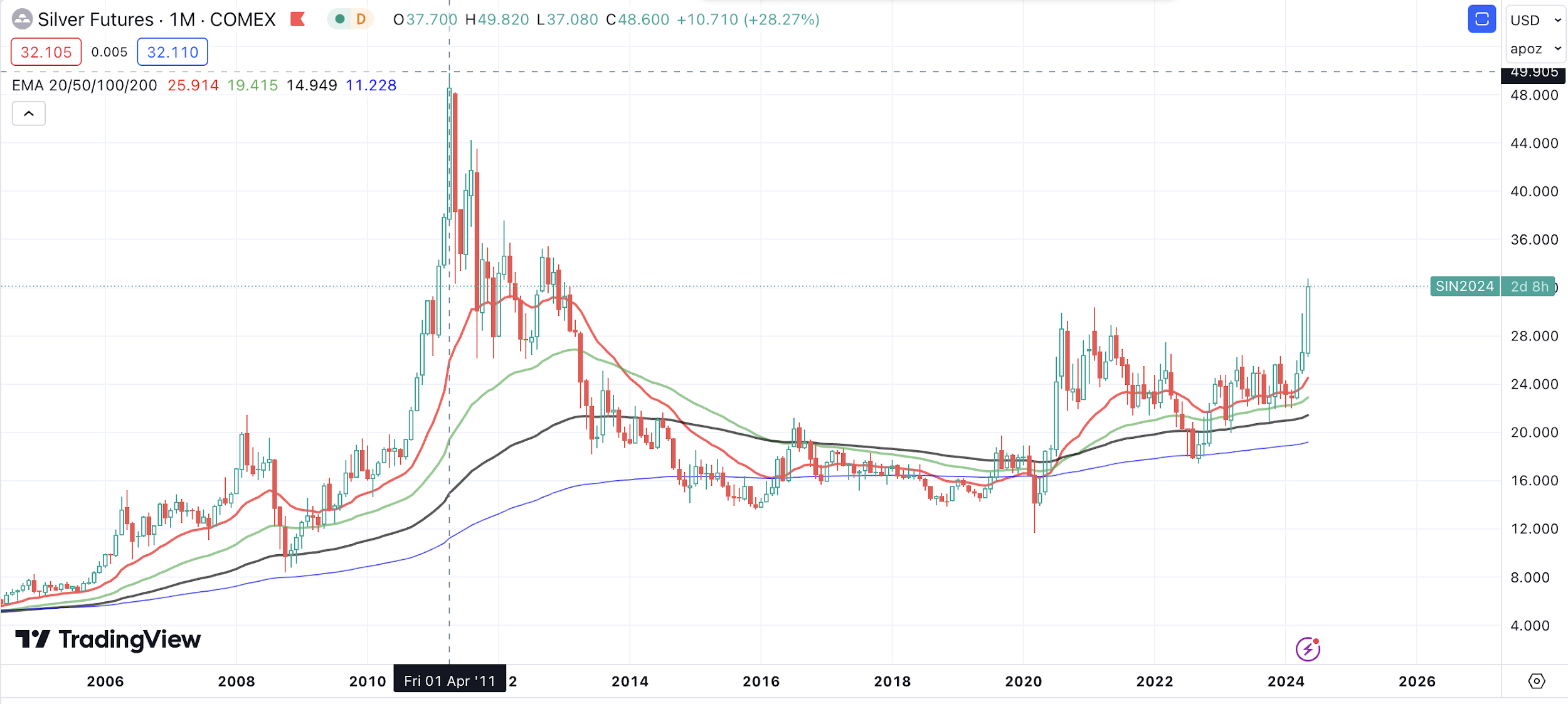
These twin drivers mean that silver’s price can experience both long‑term upward trends and short‑term volatility, offering opportunities for both buy‑and‑hold investors and active traders.
2. Key Factors Influencing Silver Prices
Understanding the underlying mechanics of the Silver Exchange is essential for any participant. Below are the primary variables that affect silver’s market price:
2.1 Supply and Production
Global production largely comes from countries like Mexico, Peru, China, and Australia. Mine output can be affected by geopolitical events, labor disputes, and environmental regulations, which in turn impact price levels.
2.2 Industrial Consumption
When sectors such as renewable energy and electronics expand, demand for silver rises. For instance, the rapid growth of solar panels has added billions of ounces to annual consumption forecasts.
2.3 Monetary Policy and Inflation
Central banks’ actions—especially interest‑rate adjustments—shape investor sentiment. Low‑interest‑rate environments tend to push investors toward real assets like silver, while higher rates can dampen demand.
2.4 Currency Fluctuations
Since silver is priced in U.S. dollars, a weakening dollar often makes silver cheaper for foreign buyers, boosting demand and price; the opposite occurs when the dollar strengthens.
3. The Evolution of Digital Silver Trading
Historically, buying physical silver required navigating local dealers, storage logistics, and purity verification. The advent of internet‑based platforms transformed this process, enabling instant access to the Silver Exchange from any location with an internet connection.
Modern platforms provide:
- Real‑time price quotes.
- Secure electronic wallets for holding digital silver tokens.
- Integrated compliance tools that meet anti‑money‑laundering (AML) and know‑your‑customer (KYC) standards.
Among these, Silverexch Online stands out for its user‑centric design, transparent fee structure, and robust security protocols.
4. Getting Started with Silverexch Online
For newcomers, the onboarding process can be broken down into four simple steps:
- Account Creation: Register using a valid email address, set a strong password, and complete KYC verification by uploading a government‑issued ID and proof of residence.
- Fund Your Wallet: Deposit funds via bank transfer, credit/debit card, or approved e‑wallets. Most platforms, including Silverexch Online, support multiple currencies.
- Place an Order: Choose between market orders (executed at current price) or limit orders (executed at a predefined price).
- Secure Storage: After purchase, the silver is held in a segregated, insured vault. Digital representations can be transferred, traded, or redeemed for physical bullion upon request.
These steps illustrate how technology reduces friction, allowing investors to focus on strategy rather than logistics.
5. Trading Strategies for Silver
Whether you are a novice or a seasoned trader, aligning your approach with your risk tolerance and investment horizon is crucial. Below are three widely adopted strategies within the Silver Exchange ecosystem:
5.1 Long‑Term Accumulation
This “buy and hold” method treats silver as a hedge against inflation. Investors typically purchase physical bars or allocated digital units and store them for 5‑10 years or longer. The key benefit is simplicity; the primary expense is the premium over spot price at purchase.
5.2 Swing Trading
Swing traders capitalize on short‑ to medium‑term price swings, often triggered by news releases, inventory reports, or macro‑economic data. Tools such as moving averages, Relative Strength Index (RSI), and Bollinger Bands help identify entry and exit points. Platforms like Silverexch Online provide real‑time charts and technical analysis widgets to aid decision‑making.
5.3 Hedging with Futures and Options
Professional investors may use derivative contracts to lock in prices or protect against downside risk. While many retail platforms focus on spot trading, some integrated services now offer access to silver futures, allowing traders to hedge exposure without owning the physical metal.
6. Risk Management and Best Practices
Trading any commodity carries inherent risks. Applying disciplined risk management can preserve capital and enhance profitability:
- Position Sizing: Limit any single trade to a small percentage (e.g., 2‑5%) of your total capital.
- Stop‑Loss Orders: Predetermine a price level where the trade will be automatically closed to prevent excessive loss.
- Diversification: Combine silver with other assets such as gold, equities, or bonds to reduce overall portfolio volatility.
- Stay Informed: Monitor weekly inventory reports from the London Bullion Market Association (LBMA) and monthly manufacturing data that influences industrial demand.
7. Security and Regulatory Considerations
When dealing with digital platforms, security should be a top priority. Reputable Silver Exchange operators implement:
- Two‑Factor Authentication (2FA): Adds an extra verification layer beyond passwords.
- Cold Storage: The majority of silver holdings are kept offline, minimizing exposure to hacking.
- Regulatory Compliance: Adherence to the Financial Action Task Force (FATF) guidelines and local securities regulations ensures legal protection for users.
Before committing funds, verify the platform’s licensing status, read user reviews, and confirm that insurance covers potential loss of assets stored in vaults.
8. Tax Implications of Silver Trading
Tax treatment varies by jurisdiction, but a few common principles apply:
- Capital Gains Tax (CGT): Profits realized from the sale of silver are typically taxed as capital gains. Holding periods may affect the tax rate (short‑term vs. long‑term).
- Sales Tax: Physical purchases may be subject to sales tax in certain regions, whereas digital transactions often avoid this levy.
- Reporting Requirements: Many countries require disclosure of holdings above a specific threshold. Using platforms like Silverexch Online can simplify record‑keeping, as trade statements are downloadable in standard formats.
Consult a qualified tax professional to understand your specific obligations.
9. Future Outlook for Silver and the Digital Exchange Landscape
The convergence of technological innovation and macro‑economic forces suggests a promising future for silver trading:
- Growth of Renewable Energy: As solar and wind installations expand, industrial silver demand is projected to rise by 3‑5% annually over the next decade.
- Blockchain‑Based Tokenization: Emerging platforms are tokenizing physical silver, enabling fractional ownership and instant settlement. This trend could further democratize access to the Silver Exchange.
- Regulatory Harmonization: Global regulators are working toward unified standards for digital commodity trading, which would increase investor confidence.
By staying informed and leveraging reliable services like Silverexch Online, participants can position themselves advantageously amid these developments.
10. How to Choose the Right Silver Trading Platform
When evaluating options, consider the following criteria:
- Transparency of Fees: Look for clear disclosures regarding spreads, custody fees, and withdrawal charges.
- Liquidity: Platforms with high trading volume ensure tighter spreads and faster order execution.
- User Experience: An intuitive interface and responsive customer support improve the overall trading experience.
- Security Protocols: Verify that the platform employs encryption, 2FA, and insulated cold storage.
- Regulatory Oversight: A licensed and audited operation offers legal recourse in case of disputes.
By ticking these boxes, you can confidently engage with the Silver Exchange and focus on strategy rather than operational risk.
Conclusion
Silver’s unique blend of industrial relevance and monetary stability makes it an attractive asset for a wide spectrum of investors. The digital transformation of the Silver Exchange—exemplified by platforms like Silverexch Online—has removed traditional barriers, offering real‑time access, secure storage, and streamlined compliance. By understanding the market drivers, employing robust risk‑management practices, and selecting a reputable trading platform, both newcomers and seasoned traders can harness the opportunities that silver presents today and in the years to come.